Tips On How to Use and Find The Best Sunscreen to Savor the Summer- PD and ALL : By Maria De Leon.
via Tips On How to Use and Find The Best Sunscreen to Savor the Summer- PD and ALL : By Maria De Leon.

“I kiss way better than I cook…
and I am a pretty good cook” ~ Suzy Toronto
As we begin to have motor fluctuations with Parkinson’s or as the disease advances some of us may begin to experience difficulty in swallowing. This is typically manifested in the form of coughing or choking. This does not mean that we have to give up taste or stop eating! We simply have to adjust our diets to get the right nutrients and still find pleasure in food. This recipe which was my grandmothers (who not only was a great cook but had PD herself) is great for those who need a diet for those that have dysphagia (this means trouble swallowing which can result in malnutrition, dehydration, aspiration, and chocking).
This is also excellent for Parkinson’s patients because as we lose our sense of smell we tend to lose our taste which is deeply integrated to our abilities to smell. Our tongues only detect salty, sweet, bitter and sour. It is actually the nose which gives us the flavor of food and palate. But, by making a rich creamy, buttery tasting soup combined with the crunchiness of the sunflower seeds and the chewy texture of the cheese you can stimulate and titillate your taste buds all at the same time!
Hopefully this will become one of your favorite recipes as it is mine.
Plus it’s not only nutritious but easy to make whether you are the patient with PD or the caregiver for a loved one who has Parkinson’s.
Ingredients:
3 large (Delaware or Nadine) potatoes
2 large carrots
1/2 cup milk
2 cups heavy cream
1 tbsp. butter
1 tsp. salt
1 tsp. ground pepper
1 queso fresco (crumble)
Roasted (honey) sunflower seeds
Parsley for garnishing
Cooking directions :
Place potatoes and carrots in a pot with boiling water to cook. Once fully cooked remove from heat. Drain water. Cool off a bit and peel potatoes and carrots. Place carrots and potatoes in blender. Purée along with milk. Return contents into a separate simmering pot and add butter, salt, pepper, heavy cream. Stir till it simmers. You can make it thicker by adding less heavy cream. Soup has orange tinged when done.
Serve into bowl add a pinch of queso fresco (which has been crumbled) and a pinch of sunflower seeds. Add few leaves of parsley for garnishing!
Bon Appetite!
*****NDD (National Dysphagic Diet)*******

“Mothers arms are made of tenderness, and sweet sleep blesses the child who lies therein.” Victor Hugo
The happiest moment in any woman’s life is the day she finds out she will be a mom followed by the time she actually becomes a mom by holding that precious bundle of joy that God granted us. We as women learn then what true love really means and nothing in the world can compare or come close to that feeling. Yet, despite all of its joys it is also full misgivings with all of its of ups and downs as we learn to navigate the road of motherhood.
We as moms are always the first to rise and last to go to bed. There are a million things to do in the day to make sure our children are loved, happy, and safe, and well -fed. Parkinson’s and all we are our children’s moral compass. Our quiet courage as we struggle with Parkinson’s single handily while providing care and comfort to those who depend on us; this can leave any woman completely exhausted.
But, imagine that despite her limited energy and strength because of her chronic illness she is still willing to give everything to her children. We give the first of our energy and devotion to them wholeheartedly which leaves us with little strength, energy or time for ourselves. Today, let’s do something nice for all PD mom’s (and all mom’s who work hard 24/7). Parkinson’s disease state depends so much on the ability to rest, recharge, re-energize, and reboot so we owe it to our mom’s, ourselves, our families, and our children to do just that on this special Mother’s day; in which we are celebrating mom’s throughout the US and in other parts of the world like Mexico. So let us give our mom’s with PD (or ourselves) a nice treat in the form of a massage. Aside from helping to ease rigidity, pain, and dystonia symptoms it helps decrease stress and improve immune system. There are many types of massage but I prefer deep tissue massage and I think it works best for patients with PD. This helps get rid of knots, pain and eliminate excess water from tissue that tends to accumulate with PD medications.
A Swedish massage, is the most common type. This one accomplishes the same as the deep tissue massage without being as rough (as forceful) or as incorporate deep kneading into the tissue.
You can also do an Aromatherapy Massage which incorporates scented oils to relieve stress and sooth the senses. One of the most common oils used and one of my favorites is Lavender. Besides improving stress it also helps relax people therefore allowing them to fall asleep easier. Another essential oil I like is peppermint. Peppermint helps boost energy and improve mental focus.
Hot stone Massage is another form in which hot stones are placed in trigger points of body to relieve tension. I find this too painful and not beneficial to PD symptoms.
Reflexology is also known as foot massage. This type of massage involves applying pressure to certain areas and points of the foot that correspond to various body organs and systems. this form of massage therapy can be very relaxing and therapeutic for those with severe foot pain or those that stand on their feet a lot.
Personally, I find that a combination of these works the best for those of us who have PD. Either a Swedish or deep tissue (my favorite) with some aroma therapy along with some foot massage works the best. Every Parkinson’s diva should have one of these at least once a month to reenergize and refocus our mental energies to keep being the best mom’s we can be Parkinson’s and all!
Happy Mother’s Day Everyone!!!

“In this {my} house the entire food pyramid is made of chocolate.” ~ Suzy Toronto ~

Food plays an integral role in all of our lives. Whether we are healthy women or women battling PD; we must first understand that men and women metabolize food differently. In general as we age and as we reach menopause women’s estrogen levels. During menopause, we as women tend to become more sluggish. Therefore, we must learn to adjust our diets to fit our situations given our chronic illness. That does not mean we have to stop enjoying life or depriving ourselves, we simply have to make adjustments to our eating habits and still keep some of our cultural traditions allowing us to eat the things we love! this means cutting down on the quantity without sacrificing the quality. As a Hispanic woman food is paramount to my life. Through meal preparation and sharing of food is how we show love and engage socially. Desserts and sweets are a big part of this tradition especially anything chocolaty after all it was my ancestors that discovered that sweet “elixir of the gods.” Fortunately, that wonderful substance appears to have intrinsic dopamine like chemicals which are released when consumed. No wonder as my Parkinson’s has advanced so has my craving for chocolate (body always tells you what it needs!) I am not alone in thinking that Chocolate helps my Parkinson’s or at least in the increase consumption of this increasingly rare commodity. Researchers have confirmed that PD patients do in fact increase intake of chocolate compared to their partners who do not have PD. so, today to commemorate both my Hispanic heritage -5 de Mayo and do something good for my PD, I will share with you a chocolate recipe that was my grandmothers ( who also had PD and loved chocolate!)
Abuela’s Mole:
Ingredients: Directions:
1 whole chicken in parts 1. Place 5 cups of water in a large pot. Add chicken,
1 jar mole Dona Maria garlic, onion, celery, peppercorn, bay leaves, salt
1 bar of chocolate “Abuelita” and pepper. Cook over medium heat for 45 minutes.
1 teaspoon of sugar 2. Sift bay leaves, celery, onion, garlic, and peppercorn.
Salt/pepper to taste 3. Take out a cup of chicken broth and place in a
2 sticks of celery medium bowl. Then combine mole and mix until
1 clove of garlic smooth. Once smooth, add back to pot with rest of
5 black peppercorns chicken and broth. Add bar of chocolate and
½ onion chopped continue to cook over medium heat, stirring
3 bay leaves frequently until chocolate dissolves completely. Add
sugar. Add more salt and pepper if needed.
Turn heat to low and simmer for another 15 minutes.
Serve hot. Garnish with either banana slices or pomegranate seeds.
@copyright 2015
all rights reserved by maria De Leon MD
They Who are Wild Wacky Women.
They are women of substance…
Women of their own making.
With a perfect blend of Candor and common sense,
They understand the value of Friendship, love and laughter.
They are smart, empowered and enlightened
With the wisdom of a legacy of women
Who came before them. Brimming with a positive outlook on life, And a spirit that soars free,
They find the joy in every journey
And rejoice in this great sisterhood called Women. © Suzy Toronto
Never have I met a more fearless group of women than those battling PD! They are mothers, sisters, wives, doctors, artists, leaders. They give without hesitation even when they can’t walk straight due to dyskenesias. They are role models for every girl who thought they could not make a difference in the world. They show us that a lot of heart and perseverance can turn a tough situation into a self enlightening path for others to follow.

“Life is better with a little sand in your toes.”
I love shoes. I have a whole collection of them. Being a physician standing on my feet all day long, I knew the importance of wearing sensible shoes and taking care of my feet. When I began having symptoms of PD, I threw away half of my shoes. I thought I would never be able to wear nice shoes again due to the severe foot pain I was all I needed was the right medication. However, I realized that the most important thing in order to enjoy life and continue wearing those nice shoes I love so much was and is foot care especially for those of us who have chronic illnesses that impact our ability to walk and stand.
Our feet go through heck keeping up with us and our PD so we MUST give them lots of TLC to maintain them looking and feeling soft, strong and pain-free.
Many of us with PD like me have foot pain from the very beginning due to dystonia, rigidity, plantar fasciitis, and even callus formation that develops from stepping wrong due to pain and dystonia; but eventually most of us may experience pain at some point due to disease advancing leading to cramping, neuropathies and abnormal distortions in the joint of our feet and toes due to dystonia’s and dyskinesia’s.
So, if you want to be PAIN-FREE with toes that feel like they are on vacation you first have to be KIND to your feet. Then perhaps, if the whimsy strikes you can wear these red boots just like me!
Second, take a close look at your feet on a regular basis. Use a mirror to inspect the bottom of your feet looking for cuts, bruises, blisters, ingrown nails, and callus.
Third, make sure the shoe size fits- our shoe size changes as we age; measure with largest foot at end of day when purchasing new shoes.
Fourth, a lot of our PD medications can cause swelling as do aging so make sure that you prop your legs and feet up when you are sitting down; this helps circulation of your feet and thus maintain better health.
Fifth, do not walk bare-footed.
Sixth, Moisturize! Moisturize! Look for creams or balms containing Shea butter or cocoa butter. First, exfoliate. I like using amope pedi for exfoliation of dry skin of feet; it is easy to use and inexpensive; you can find at Amazon or any drug store including Wal-Mart and Target. you can always use a pumice stone if you like but this requires a lot more coordination and fine motor skills. But, before you exfoliate soak your feet in warm water made of Black tea for 15 minutes to soften skin. Make sure you always dry your feet thoroughly even between your toes to avoid fungal and bacterial infections as well as bad odors.
Seventh, Get support- this means if you can’t tend to your feet on your own and trim your nails then seek a podiatrist. Also, he/she can help give you get insoles for your shoes to make them more comfortable and feet feel less painful. These professionals can also remove those pesky calluses which you might not be able to smooth out on your own. Other support includes your neurologists, who can do Botox injections for pain (and wrinkle free toes 🙂 ) but can also send you for orthotics to be made if your toes and feet are dystonic and need added support besides medication while referring to other ancillary services like PT, OT to aid in pain control and foot care as well.
Eight, wear sunscreen to the tops of your feet with a SPF of at least 45 when wearing open sandals/shoes because we are already predisposed to melanomas with PD and our feet are not immune from this.
Ninth, make sure that you alternate shoes especially important to avoid pain in feet because of our gait abnormalities may lead to wearing of shoes in a single area creating more imbalance and aggravating callus and dystonia.
Tenth don’t Forget your Toenails!
Getting a pedicure is a lot cheaper than any therapy plus a lot more enjoyable. if you must do it on your own, I suggest Opi fast dry colors because a lot less difficult to mess up even with severe tremors and dystonia. But first add some vitamin E oil to your toenails because the combination of medications and age can certainly due a number on our nails causing them to become brittle.

Now, your feet will feel rejuvenated, soft and strong at the same time ready to face another day with PD.
sources:
http://www.nia.nih.gov/health/publication/foot-care
http://www.webmd.com/beauty/advances-skin-care-9/foot-cream-toenail
http://www.healthywomen.org/content/article/8-ways-treat-your-feet-right
@copyright 2015 all rights reserved Maria De Leon
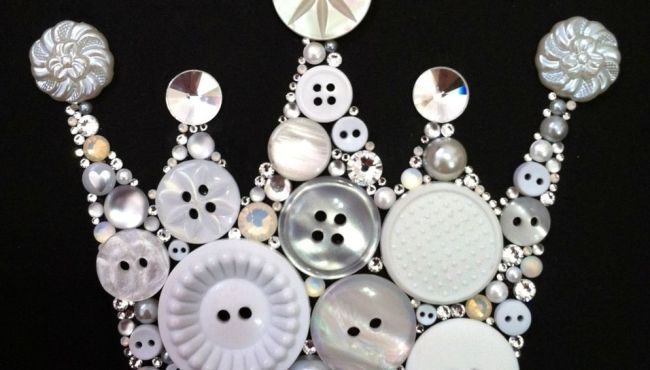
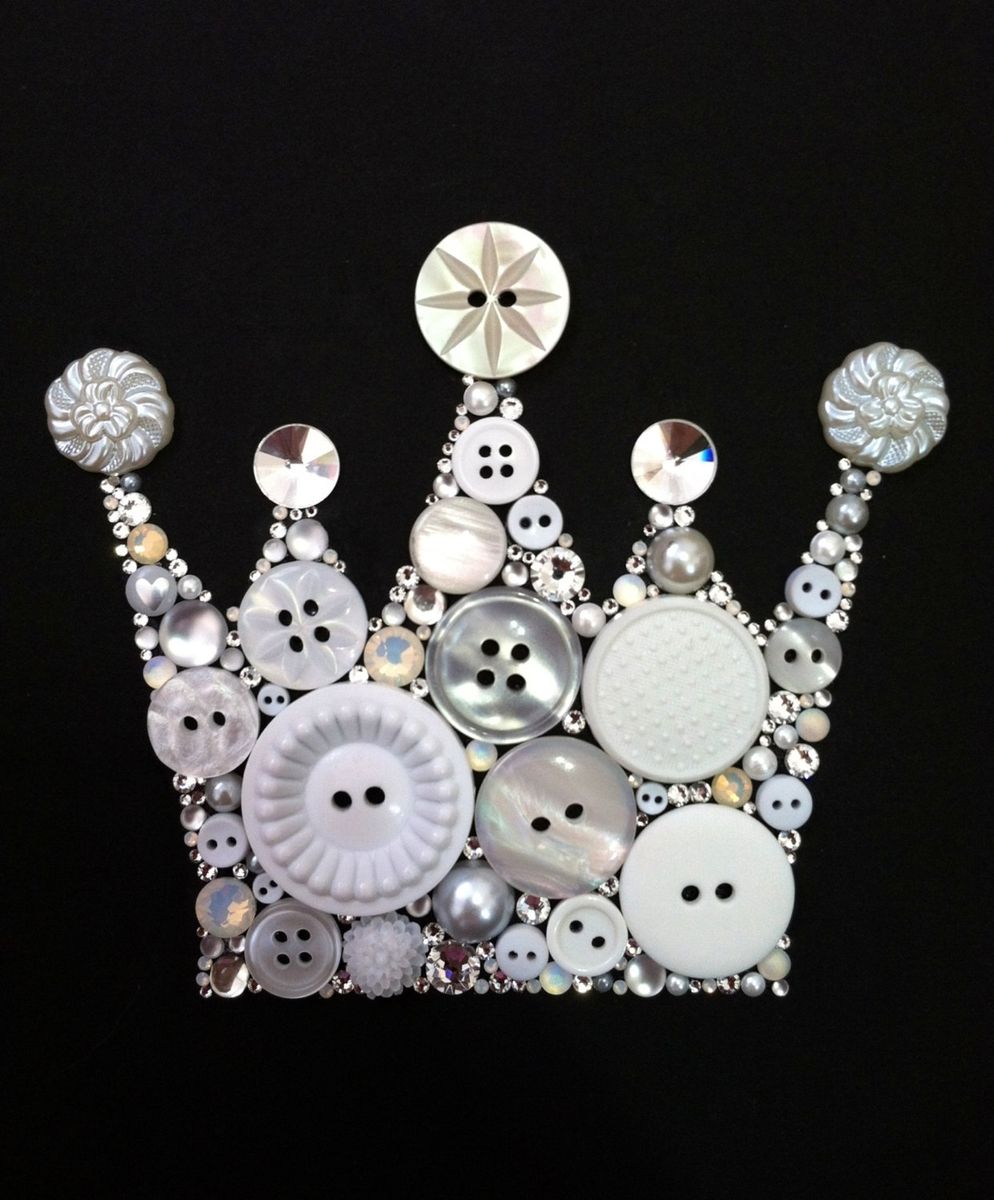
“Always act like you are wearing an invisible crown.” Unknown
It is tough being a woman with Parkinson’s balancing passion with patience given the fact that, try as we might, some days we just can’t move faster than the speed of a turtle, our fine motor skills are shot and our rigidity keeps our wardrobe limited at times.
But, do we also have to give up our love of accessorizing when the occasion calls for it?
I say no…
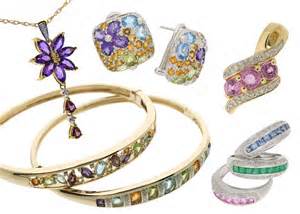
Yes, we do have to make adjustments to our jewelry preferences and have to become more selective in what we wear.
I love jewelry and have a good collection of unique pieces given to me by my grandparents, my husband, and those which I have acquired over the years. However, much to my dismay a lot of my favorite pieces have had to be put away due to poor motor skills and inability to put on…
So, I was forced to learn the names of clasps types in jewelry so that I could search for pieces which would be easy for a PD woman to put on.

I no longer can wear any type of lobster, ball, barrel, fishhook, push button, swivel, ladder, slide, or spring ring clasps! these are usually too small which require extra fine motor skills!
But, I was determined not to surrender to my illness and lose my fashion sense simply because I could no longer use above…
Instead, I switched to necklaces and bracelets with magnetic claps. I especially love this type of closure on a nice set of pearls.
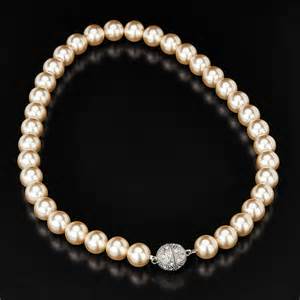
Another favorite of mine is a toggle clasp. These are great for necklaces and bracelets as well but have to have a large diameter otherwise you  may find yourself struggling with these just the same. I prefer these for bracelets.
Besides pearls which I love, I now prefer wearing jewelry which are clasp- free.
For instance, you can get beautiful colorful endless necklaces which allow not just for an interrupted flow but can be easily maneuvered and placed over ones head even when shaking, stiff or have dystonia. these necklaces can be any material like cord or beaded or even pearls and because they are long sometimes you can wrap them multiple times creating different looks with same necklaces. The beauty of the cord necklaces you can also easily add and change pendants to fit the occasion or mood. 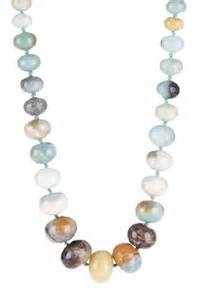
Then you have your slip-on bracelets which tend to be bangles or cuffs with a wide opening. The next type of clasp free jewelry great for bracelets is stretch. These are great because they easily adjust to fit your wrist. I love bracelets that are a combination of slip-on with a little stretch – this gives it a more polished look for fancier occasions plus not as binding to the wrist as some are. You may also find bracelets with large snap buttons which are great if you have severe tremors as are the slip- on ones.
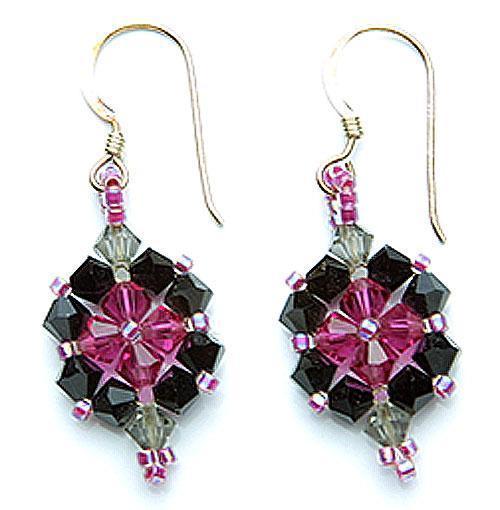 Earrings have been my biggest challenge because try as I may I simply cannot put the cap on earrings that have post or studs. Forget ball earrings; the solution is switching to earrings which have long backs –French wire closure (variation of fish-hook clasp). Omega Back (kidney wire hook) earrings are quickly becoming my favorite; these have a hinged “o” shaped lever on the back near the bottom of the earring which closes over the post. Of course we have clip-on earrings.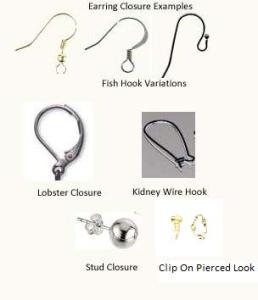

“Life may not be the party we hoped for, but while we are here we SHOULD dance!”-unknown
Marriage is like a dance. It takes two people to make it right. Before Parkinson’s life may be great, our partners and us are in sink working together as in doing the Tango dance. Although one partner may lead, the other follows right in step without a ray of sunshine between the two because even though there may be some strained missteps where backs gets bent too much and toes get occasionally stepped on the dance continuous in unison.
Then, the shocking diagnosis of PD arrives and after standing still for what may seem like eternity, the dance of life must resume.
How do we make it happen? 
The tango turns into a modern dance each of us trying to keep up with the hasty, changing life of PD. Trying to find a new routine, new common ground, new reasons to love, and laugh together again. Sometimes the steps become temporarily in sink and life is good again then it all becomes chaotic as the pace quickens and rhythms change and PD advances. We may twirl, spin, get dizzy and fall always waiting for the inevitable tomorrow to come; yet we keep on doing the dance the best we know how.
Once acceptance kicks in, if we are lucky both our partners and us can find a new dance to which to move in sink to. This can evolve into a fast paced movement constantly turning and moving to the rhythm that life demands of upon us. The dance of old dreams lost and new talents found with a new wisdom and a new understanding of who we could be. So we slow down a bit in our dance but no less majestic than before. Finally, we adjust and change our steps once more in sink growing gracefully as we age with this so called brain disease of PD.

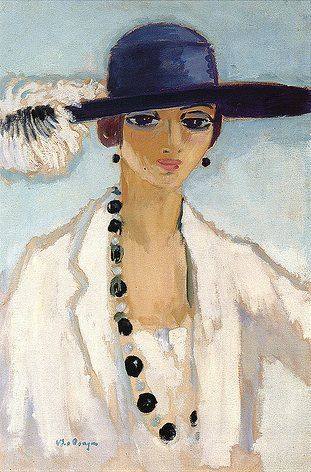
 Parkinson's Diva